
Runtime
Retail Bay
A usable runtime route for retail backup power at South African sites, written for teams who already understand backup power.
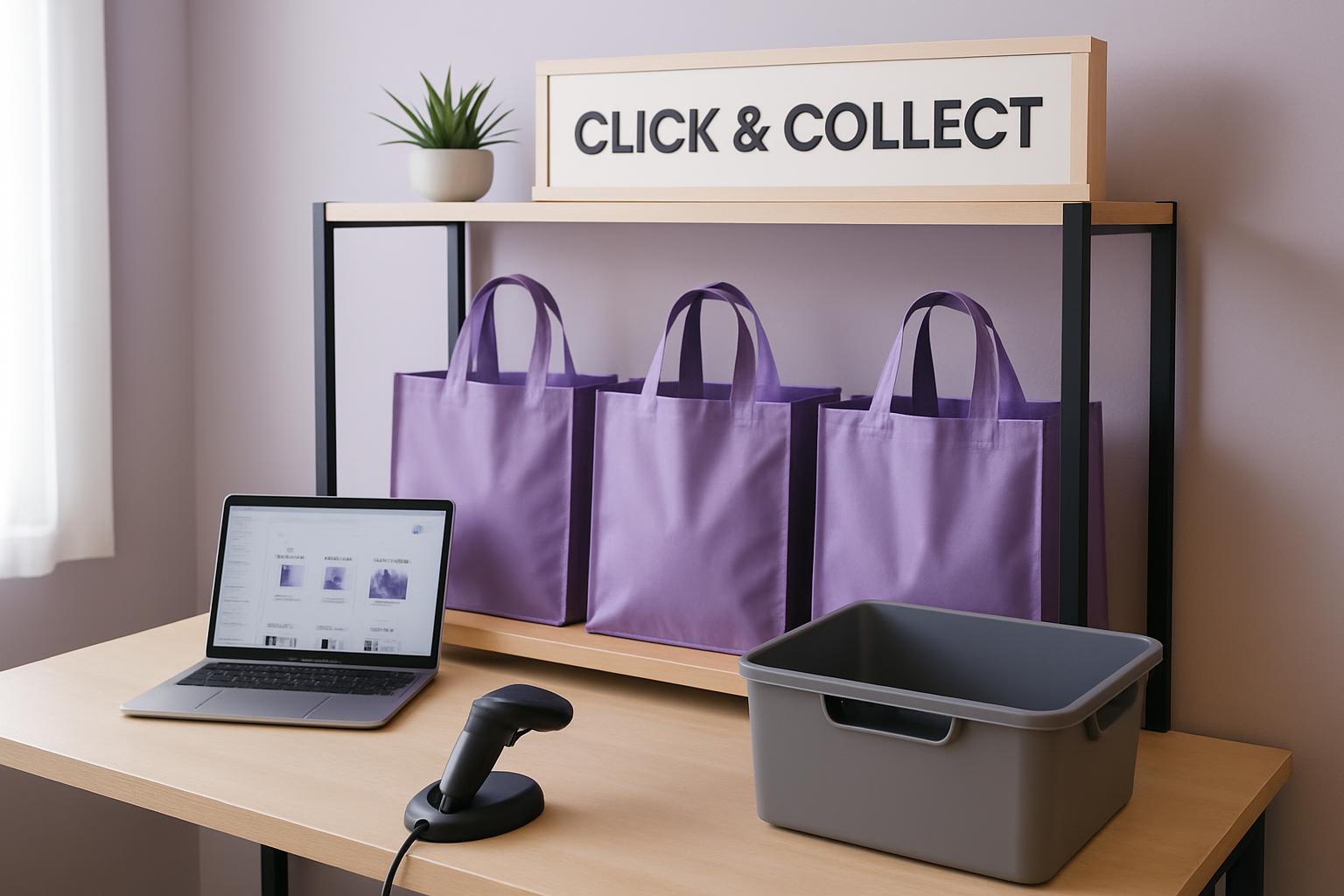
How Retail Bay fits a weekly handover for standby generator buyers
Retail Bay is built for shops, centres, and retail units that need backup power during trading hours. It focuses on essential load, customer-facing areas, noise placement, and runtime planning for tills, lights, refrigeration, and security systems.
Retail sites start with trading load, refrigeration draw, and where the set can stand without upsetting centre rules. Salt air near Durban, dust off inland parking areas, and tight service passages all change cable runs, canopy choice, and refuelling access. We write for shopping centres and stand-alone stores in Johannesburg, Durban, Cape Town, and smaller South African towns where tills and cold stock cannot sit dead during outages.
Before the first switchover test, send clear photos of the generator position, shopfront entrances, meter room, and any tenant boards tied into essential supply. Include centre trading hours, security access rules, and whether refrigeration, tills, alarm panels, or emergency lighting must stay live during Eskom outages. Those details help separate landlord supply from tenant circuits before runtime notes are written.
Trading-hour backup pack
The handover should leave the store team with a runtime sheet, switching notes, and a plain record of the genset or panel under review. For retail, one workable plan for tills, lights, refrigeration, and alarms matters more than a long options list that ignores customer traffic. Clear naming on each document also helps centre management and contractors read the same job correctly.
For Retail Bay, line up the runtime note with the store's live essentials list before anyone adds bakery ovens, extra tills, or another cold room circuit. Check the ATS or manual changeover against the panel label, breaker ratings, tenant split, and any landlord-fed emergency lighting so the switching record matches what is actually installed on site. Use the contact form to send the centre name, shop number, panel reference, and where the changeover and cable entry sit.
- Runtime notes built around trading hours
- Photo record taken before switching checks
- Contact route for site information
Retail conditions across South Africa
We account for centre access windows, loading bay permits, basement plant rooms, and noise limits that apply while shops are open. Many retail sites are live environments with customers, tenant deliveries, and security controls in place during load shedding stages. If the property has an existing genset, ATS, fuel tank, or landlord approval file, include that from the start and keep breakdown faults separate from the standing backup plan.
Coastal sites need closer attention on corrosion around terminals, canopies, and exposed fixings. Inland retail parks often battle dust on filters, radiators, and louvre intakes, especially near taxi routes and open parking. Outage schedules also affect when you can test changeover without disrupting card machines, refrigerated cabinets, and after-hours alarm setting.
Operated by Astros Marketing (Pty) Ltd from 2 Makro Place, Sunnyrock 1401.
Retail Bay handover details
Send the Retail Bay brief with photos, centre access times, loading bay rules, and faults already affecting trade. Keep the subject line accurate.
Record the ATS panel information on the same day as the site walk, including label photos, breaker references, and who controls access to the board. Keep the ATS panel information with the service note, runtime log, and any landlord requirements so the buyer can trace what supports the trading-hours backup arrangement.
What our Industrial Generator customers say
Verified Google reviews